When Every Photo Was One of a Kind
Exploring the beautiful complexity of tintype photography
| SHANNON ELIAS | 4 JUNE, 2026 |
In an age where thousands of photos can be taken and deleted in a single day, tintype photography offers something completely different: permanence.
Long before smartphones and social media, photographers created portraits on thin sheets of metal using a process that required patience, precision, and chemistry. Each image taken throughout this process is truly one of a kind. The rich contrast allows smaller details to come to life which adds a story to the photo. Today, tintype photography is making a surprising comeback among artists, photographers, and people looking for a more authentic image-making experience.
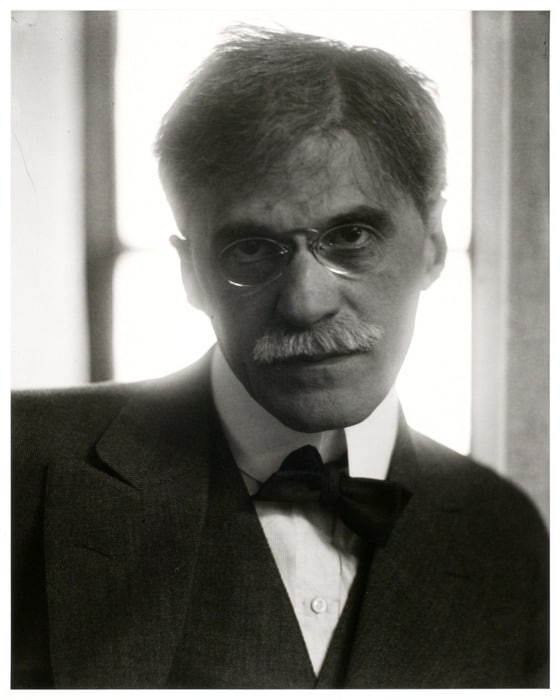
“Photographers must learn not to be ashamed to have their photographs look like photographs. A smudge in ‘gum’ has less value from an aesthetic point of view than an ordinary tintype.” – Alfred Stieglitz, 1913
The Art of the Tintype
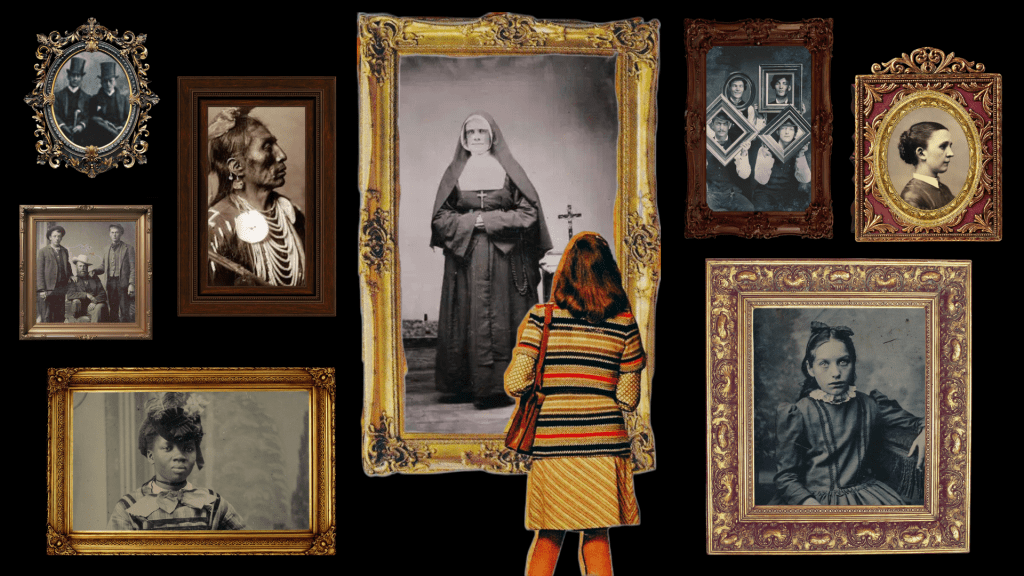
Developed and patented in 1856 by Hamilton L. Smith, tintypes quickly become a popular low cost form of creativity for the public. This photographic medium was highly marketed throughout the 1860s and into the first decades of the twentieth century as the cheapest, most desired form of photography. A large amount of the popularity stemmed from the Civil War occurring at that time, revealing the true nature of combat.
So why is it called tintype? The name is a misnomer, which is apparent once you learn that tin was not actually used in the photo making process. Instead, the photographs were developed onto thin iron plates lacquered black or dark brown.
Tintypes were created using the wet plate collodion process. Unlike digital photography, where images are captured instantly and stored electronically through pixels, each tintype is a physical, irreplaceable object. The plate must be coated, sensitized, exposed, and developed within minutes. Because of this hands-on process, no two tintypes are exactly alike. Small imperfections, scratches, and chemical marks become part of the final artwork rather than flaws to be removed. The process itself is challenging and rewarding. Photographers must carefully prepare each plate and work quickly before the chemicals dry. This level of craftsmanship is one reason tintypes remain respected within the photography community. Every image represents not only a portrait but also the skill and dedication of the photographer behind the camera.
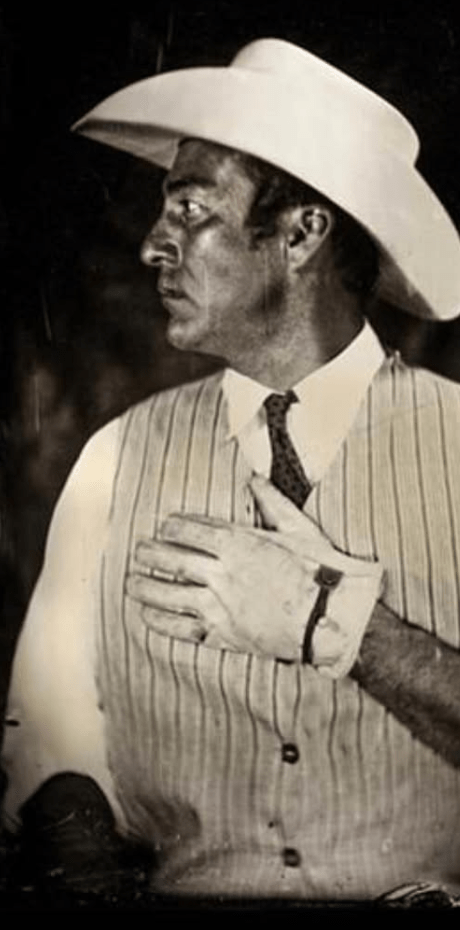
“Part of the project uses the image-making process to slow down and have this hopefully meaningful engagement with another person about what it means to make their portrait.” – Will Wilson
Why Tintypes Are Making a Comeback
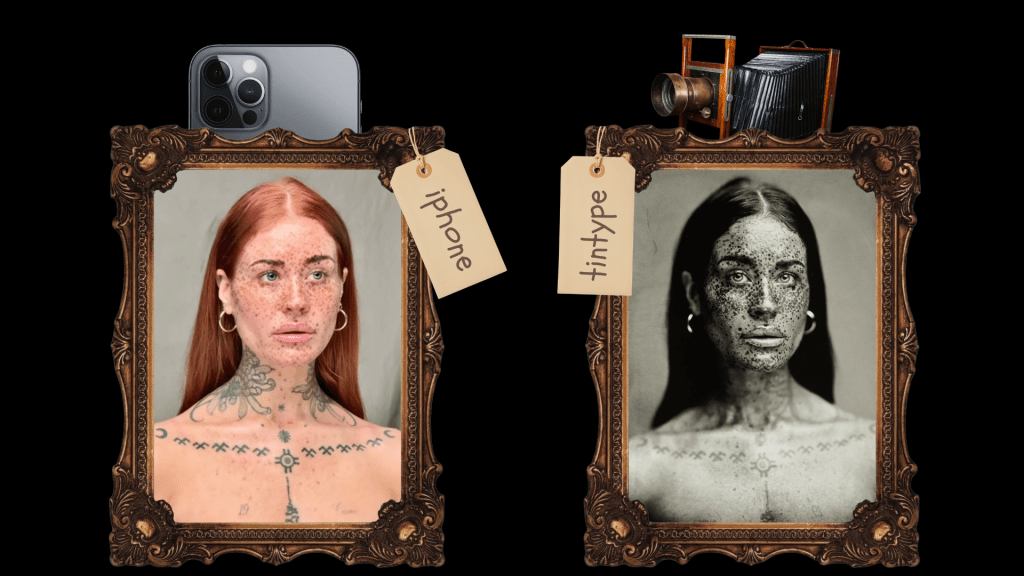
One reason for the sudden interest in tintype photography is its distinctive aesthetic. The images often feature rich contrast, soft details, and quality that feels impossible to replicate with modern filters. Photographers and artists appreciate the way the process slows down image creation, encouraging subjects to be more intentional and present during a portrait session. The fascination with this enchanting photographic medium also ties into the comeback of film cameras. The desire for timeless, captivating memorabilia is taking control of the digital realm.
People are beginning to wake up in this digital world, as the need for connection and purpose is starting to resurge. As artificial intelligence and robotic-generation tools become more common, many people are questioning what makes an image feel alive. AI can create stunning visuals in seconds, but it cannot recreate the physical connection between photographer, subject, and finished photograph. It is a personal and vulnerable experience. Tintypes offer a unique alternative, producing images that exist as one-of-a-kind physical objects rather than endlessly reproducible digital files. Tintype images are the kind of art you hang on your wall to make a house feel like a home, not a dull iphone picture.
For photographers interested in learning more, resources such as the Library of Congress’s guide to tintypes and the George Eastman Museum’s photography collections provide valuable historical context and examples of the process. Tintype cameras are still available today and are used by many modern photographers who value traditional photographic mediums. If you are lucky, you might be able to find a studio somewhere near you that offers tintype photo-shoot sessions or lessons on how to become a pro yourself.
A Lasting Alternative to Digital Images
More than 170 years after its invention, tintype photography continues to remind us that some of the most significant images are not the easiest ones to create. Quality over quantity, a lost art in this maximalist world. In a time dominated by instant photography, fast-paced convenience, social media filters, and AI-generated content, the slow and deliberate nature of tintypes makes each photograph feel truly special. The magical experience of tintypes allows the image to come-to-life, revealing raw emotion and intention. Their enduring appeal demonstrates that even as technology advances, there is still value in preserving traditional artistic processes that emphasize craftsmanship, authenticity, and human connection.

“I love that when you make a tintype you are making a thing, a physical photographic object — one that you can hold and experience in a different way. But I also love the finicky nature of the chemistry. Each plate is one of a kind.” – Victoria Will
Related Links to learn more about tintype photography
 COMM380 | DIGITAL MEDIA WRITING
Leave a comment