| BY SHANNON C. ELIAS | MAY 20, 2026 |
Scroll through Instagram, TikTok, or Pinterest for only a few minutes and one thing becomes clear: design controls attention.
“When you can do the common things of life in an uncommon way, you will command the attention of the world.” – George Washington Carver
Whether it is a clothing brand, skincare launch, album cover, or small business advertisement, strong graphic design often determines what people stop to look at and what gets ignored. Attention to detail matters more than you think. In today’s new digitalized world, graphic design is no longer just decoration. It is communication, branding, storytelling, and identity all at once. It essentially determines if a brand will make money or not, as we can see with the competitive online marketing from brands always trying to one up each other. With the increase of shortening attention spans always looking for a quick dopamine rush, it takes a lot for somebody nowadays to be impressed by an advertisement and stop scrolling to look at the product.
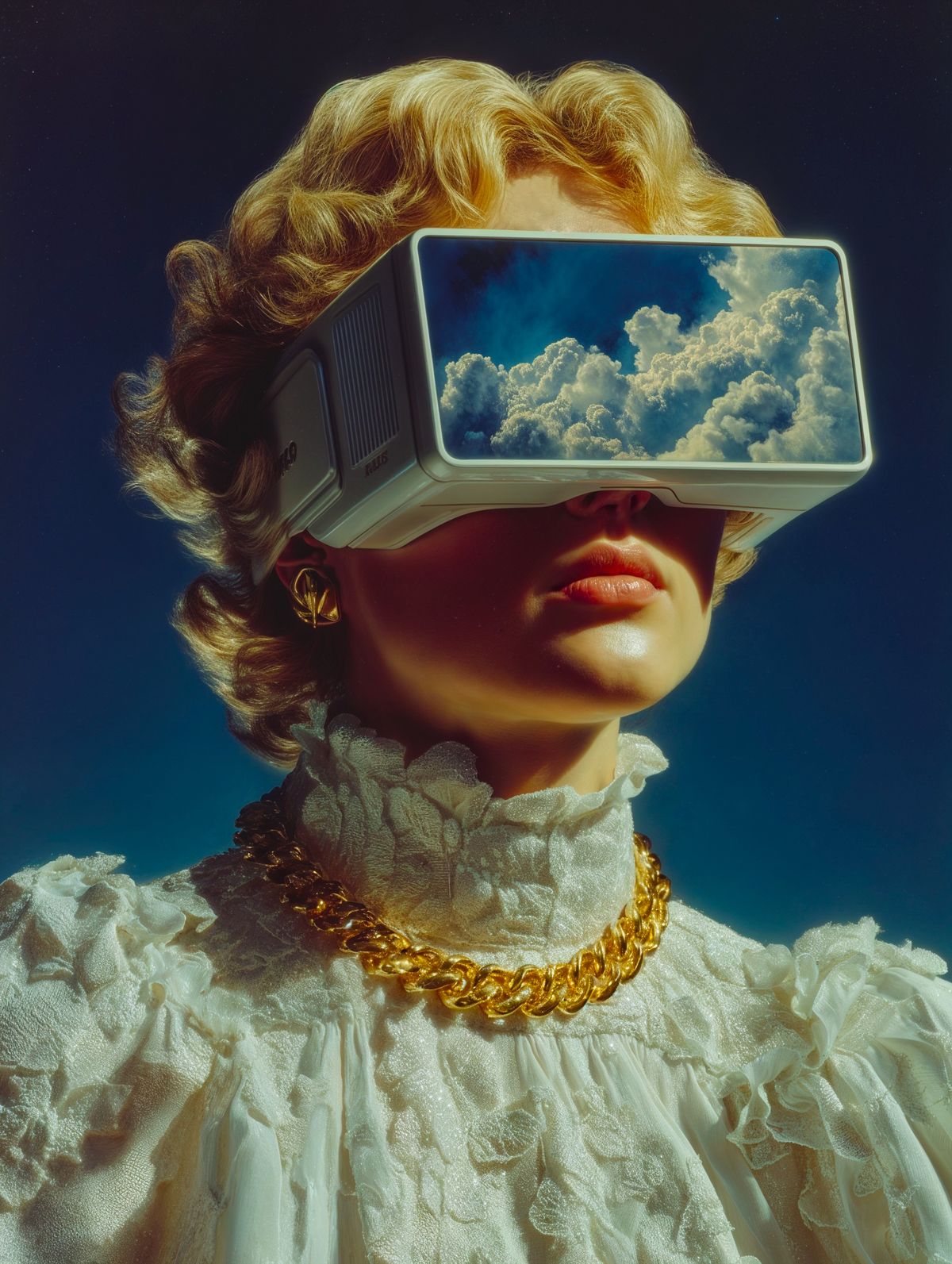
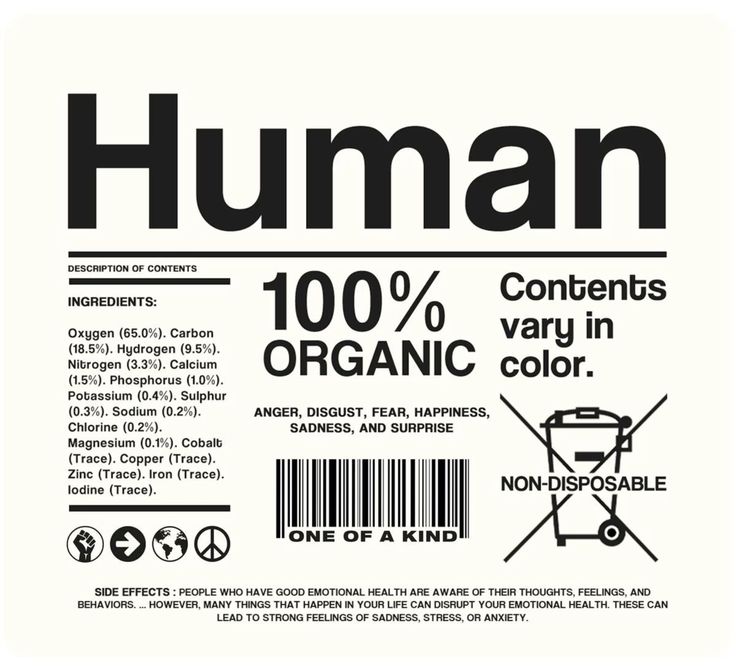
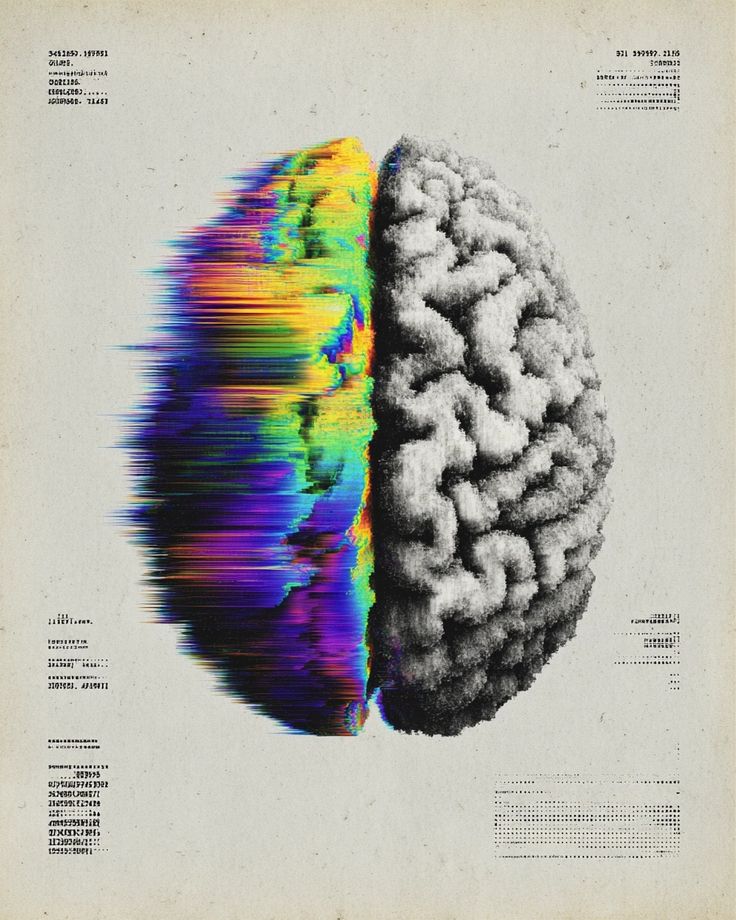
However, AI is beginning to replace some entry-level creative work. Businesses can now generate logos, promotional graphics, and social media content within seconds using AI platforms instead of hiring designers. While this may save companies time and money, many artists worry it could reduce job opportunities and undervalue the creative process. Design has traditionally relied on human emotion, cultural understanding, and personal perspective, qualities that are difficult for artificial intelligence to fully replicate. Machines have no cognition, machines have no emotion. We the people do. AI will never comprehend the complexity and originality of the human mind. Art comes from passion not prompts.
Modern audiences consume content faster than ever before, which means visual identity matters immediately. A strong color palette, unique typography, or eye-catching layout can shape how trustworthy and professional a brand appears within seconds. Because companies now compete heavily through aesthetics and online presentation, graphic designers remain essential in industries like fashion, entertainment, marketing, and social media.
Another growing concern is the loss of originality online. Social media is becoming flooded with AI-generated artwork that often looks polished but lacks personality and authenticity. Much of it follows the same visual trends and formulas, making digital spaces feel repetitive, dull, and emotionless. In contrast, human-created design often carries imperfections, experimentation, and personal experiences that make artwork feel meaningful, memorable and relatable. Ironically, this shift may make authentic creativity even more valuable. Audiences are beginning to appreciate work that feels personal, handcrafted, raw, and emotionally real. Designers who develop strong artistic identities and unique styles may stand out more in a world increasingly dominated by artificial content. People value trust and transparency. Consumers want to feel a connection to the brand portrayed through their marketing. AI doesn’t know your target audience, you do.
As technology continues to evolve and advance, graphic design will continue changing alongside it. AI may become a permanent tool within the creative industry, but human creativity, storytelling, and personal expression remain impossible to fully replace. In a digital world where even reality feels fake at times, just remember:
“Art is not what you see, but what you make others see.” – Edgar Degas
 COMM380 | DIGITAL MEDIA WRITING
Leave a comment